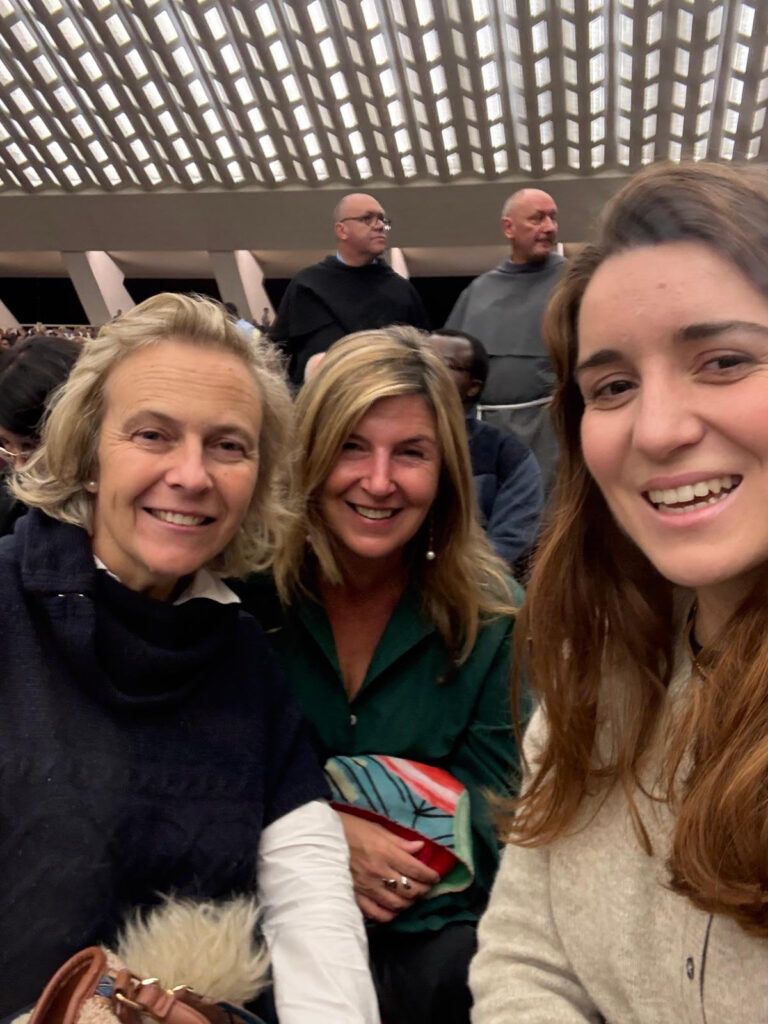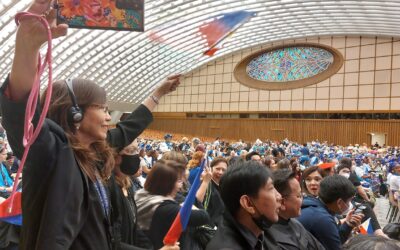
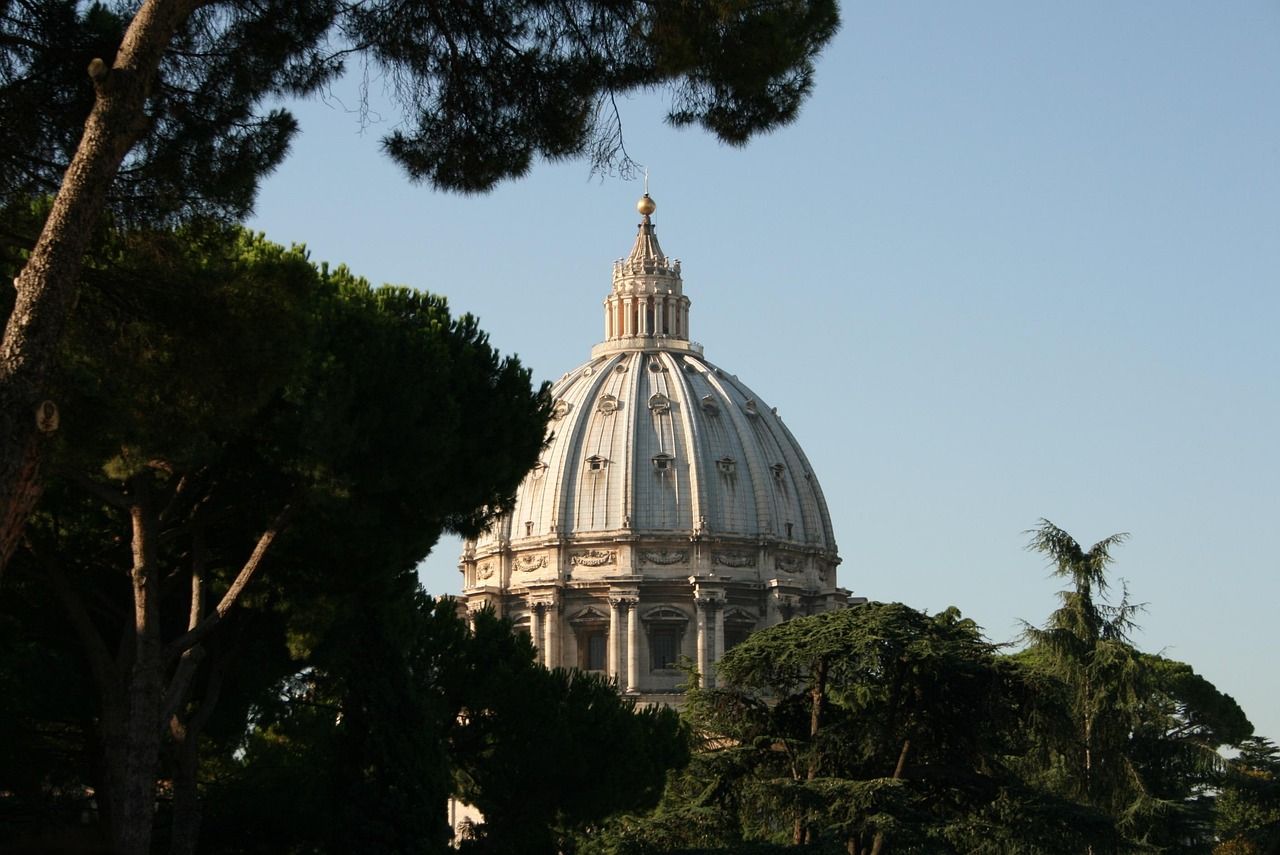
Last Tuesday, the 60th anniversary of Nostra Aetate, the declaration of the Second Vatican Council on the relationship of the Church with non-Christian religions, was celebrated in the Paul VI Hall at the Vatican. The event, organized by the Dicastery for Interreligious Dialogue, took place within the framework of the Jubilee Year of Hope, under the theme “Pilgrims of Hope”.
Representing the World Union of Catholic Women’s Organisations (WUCWO), some members of the Secretariat attended, including María Lamas, Virginia Pastor, and Mercè Alonso. The commemoration was a true testimony of universal fraternity: various religious traditions shared dances, music, and artistic expressions that beautifully symbolized the common longing for peace, respect, and unity.
During the event, a video prepared by the Dicastery for Communication was shown, retracing the path the Church has taken—especially through its Pontiffs—in the field of interreligious dialogue.
🎥 Watch it here: https://www.youtube.com/watch?v=aeLaZRJrrW8
At the end of the gathering, the Holy Father, Pope Leo XIV, joined the celebration and delivered a profound message on the value of dialogue, hope, and prayer.
“This is the journey that Nostra Aetate invites us to continue — to walk together in hope. Then, when we do so, something beautiful happens: hearts open, bridges are built and new paths appear where none seemed possible. This is not the work of one religion, one nation, or even one generation. It is a sacred task for all humanity — to keep hope alive, to keep dialogue alive and to keep love alive in the heart of the world”.
The Pope also recalled the importance of prayer as a source of personal and social transformation:
“Prayer has the power to transform our hearts, our words, our actions and our world. It renews us from within, rekindling in us the spirit of hope and love”.
Sixty years after its promulgation, Nostra Aetate remains a fundamental text not only for interreligious dialogue but also for peaceful coexistence among peoples. In a world marked by new religious and social complexities, its call to mutual understanding and fraternity continues to be profoundly relevant and inspiring.
WUCWO reaffirms its commitment to this spirit of encounter and to the promotion of religious freedom, one of its priority resolutions.
“We walk this journey not by abandoning our own faith, but by standing firmly within it. For authentic dialogue begins not in compromise, but in conviction — in the deep roots of our own belief that give us the strength to reach out to others in love”.