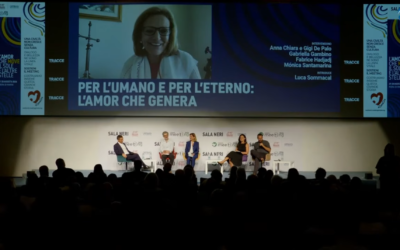
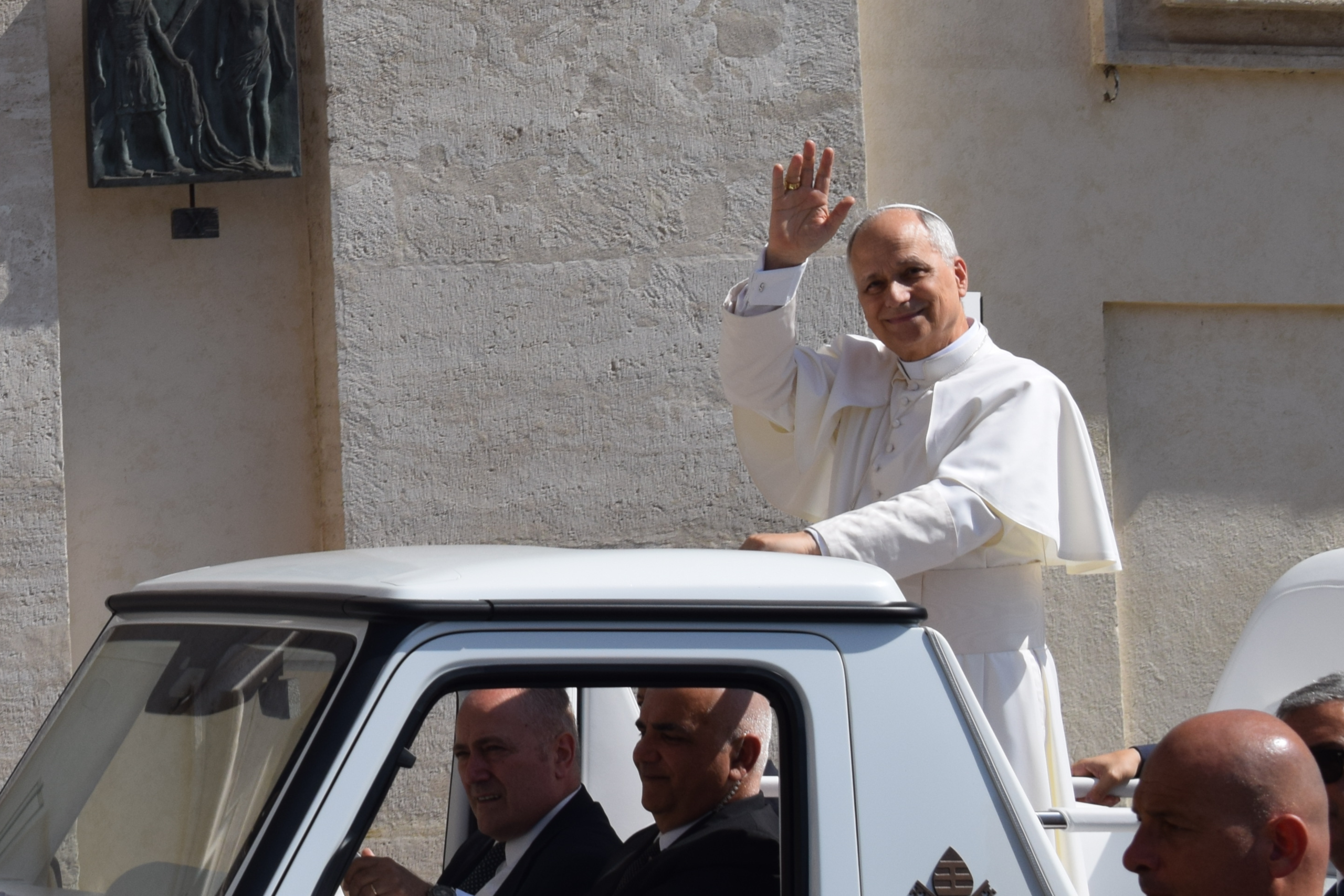
On 25 May at 11:30 a.m., in the Synod Hall of the Vatican, Pope Leo XIV’s first encyclical, Magnifica humanitas, on the safeguarding of the human person in the age of artificial intelligence, was presented. The document, composed of 245 articles, is a social encyclical and reveals much about his concern and attention towards poor and excluded people from the very beginning of his pontificate.
Leo XIV signed the text on 15 May 2026, 135 years after the publication of the first social encyclical, Rerum novarum, on 15 May 1891.
We live in a time different from that of Rerum novarum: today it is possible to enter into dialogue with institutions, governments, universities and even research centres across the world on the key issues of our time. The Church seeks to be part of this critical dialogue and to accompany these processes in order to prioritise human dignity, respect for natural resources, human freedom, dignified work, peace and justice.
The two themes that Pope Leo XIV has placed at the centre of his first year of pontificate are peace and artificial intelligence. So far, he has made 52 statements or comments related to the latter.
Humanity is magnificent, despite the wounds that human beings can inflict upon one another and upon the planet. A fragile humanity that is nevertheless capable of responding, evolving and expressing its greatness also through art and music.
The text highlights the responsibility required in the face of major technological developments. Citing Romano Guardini, it points to the maturity needed to govern technology, seeking to reconcile technical knowledge with wisdom and moral conscience.
What does it mean to flourish as a human being in the context of artificial intelligence? What does freedom mean in this new scenario? The Pope calls for a shift from a model of power concentrated in the hands of a few towards a logic of shared power.
Pope Leo issues a powerful appeal for artificial intelligence to be “disarmed” of logics of domination, exclusion and war, placing technological progress at the service of human dignity, solidarity and the common good. He invites us to inhabit this reality through silence, deep study, discernment and the capacity for analysis.
In the introduction to the encyclical, the Pope extends an invitation to all humanity:
“I address this heartfelt appeal to all the Catholic faithful, to all Christians and to all men and women of goodwill. Let us not be afraid to get our hands dirty on the “construction site” of our time. Like Nehemiah, let us pray, plan wisely and work perseveringly, placing God at the forefront of our actions and the human person at the center of our choices.”
Among all those who presented the document, a common recognition emerged of the greatness of technological development and its immense possibilities; but at the same time, also a shared concern for the human person, human relationships and freedom in the face of the rapid transformation of artificial intelligence and its various applications.
To accompany the release of the encyclical Magnifica humanitas, the Dicastery for the Service of Integral Human Development has made available a series of pastoral and formation resources (a summary, five infographics, two videos, and a pastoral guide) to support its understanding and dissemination.
WUCWO Communication Office