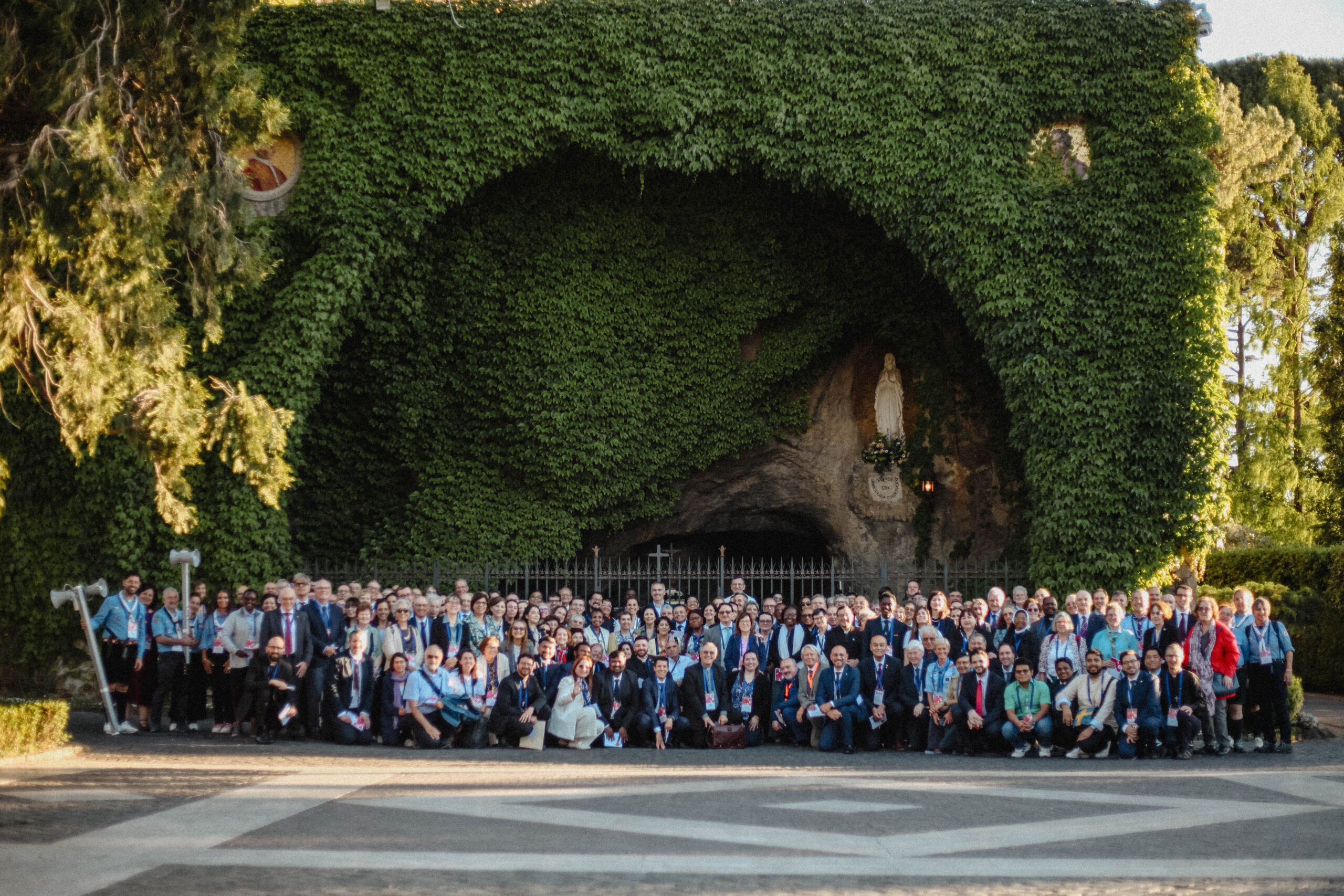
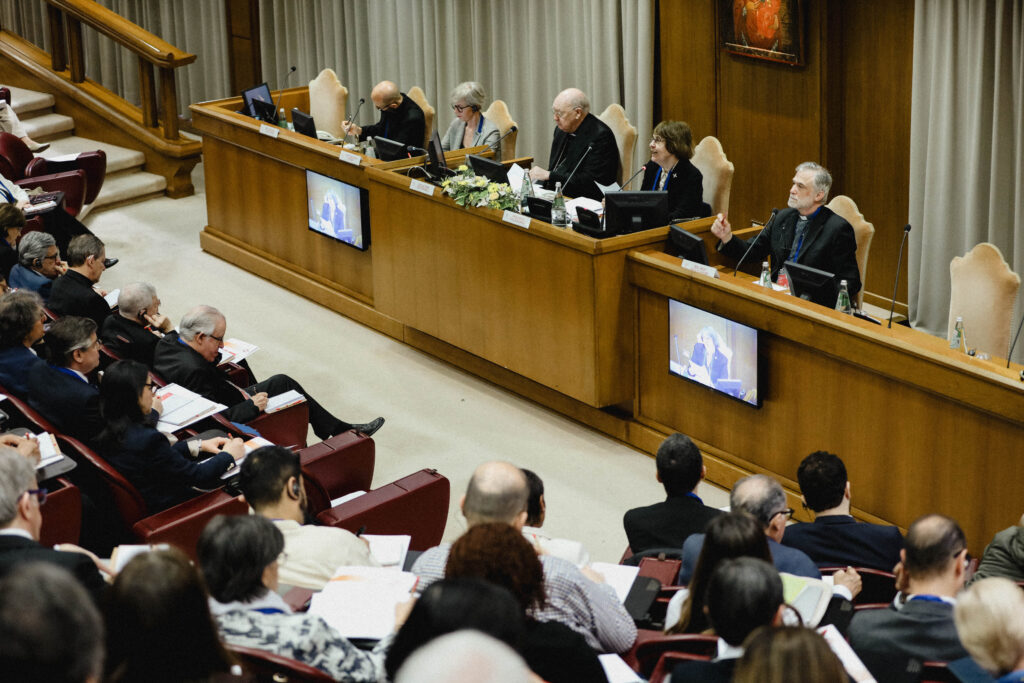
On 21 and 22 May, in the New Synod Hall at the Vatican, the World Union of Catholic Women’s Organisations (WUCWO) took part, as it has done for several years, in the annual meeting with the moderators of international associations of the faithful, ecclesial movements and new communities, to reflect on the theme “Serving, Accompanying, Guiding: Foundations and Practices of Governance in Associations.” For this meeting, almost all International Associations of the Faithful (public and private) recognised by the Dicastery for Laity, Family and Life gathered in Rome.
The meeting, of a theological-pastoral and canonical nature, was dedicated to the theme of “governance in associations”. The Dicastery, represented by its Prefect, the Undersecretary for the Laity and other officials, provided specific guidance to associations and ecclesial movements, particularly to those exercising governance responsibilities, so that this service may be lived in accordance with the Gospel and always directed towards the authentic good of the associations and their members.
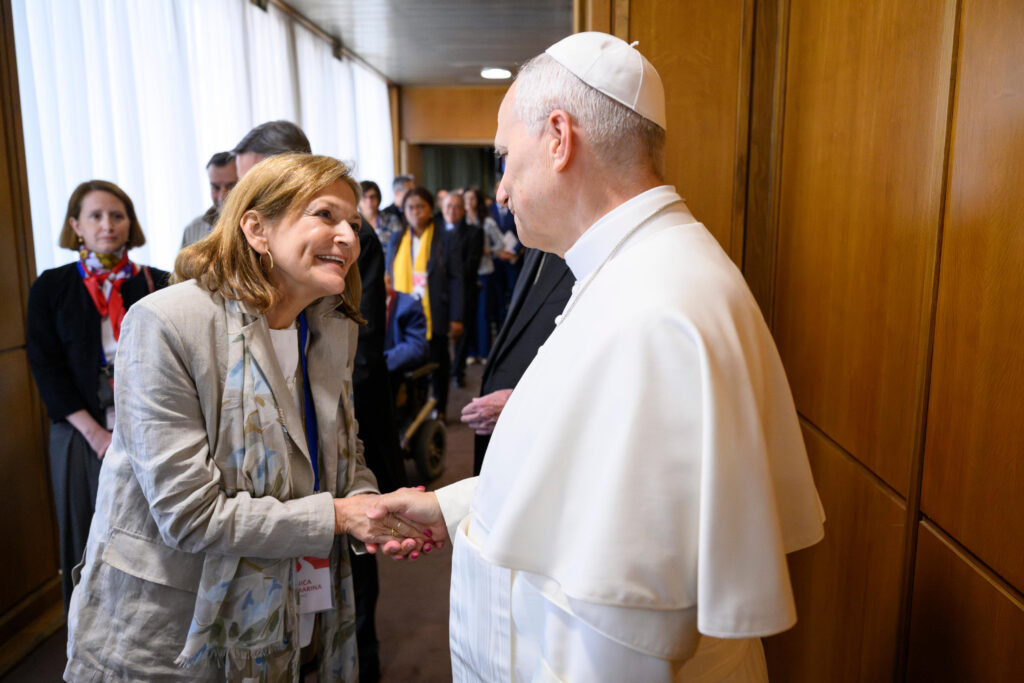
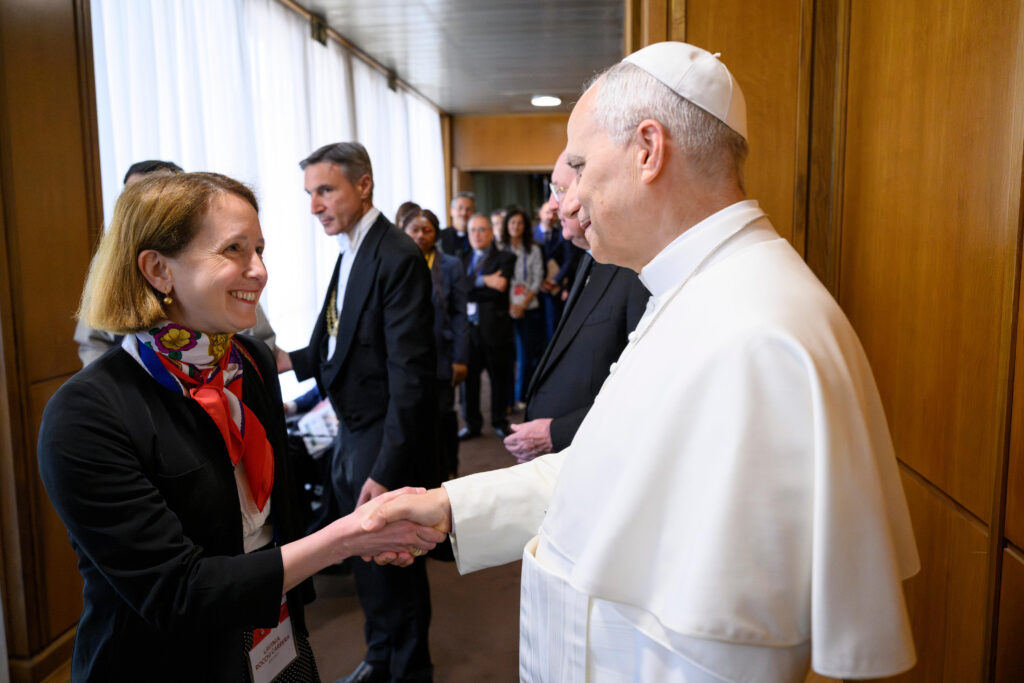
Representing WUCWO were the President General, Mónica Santamarina, and the Secretary General, Lavinia Rocchi Carrera, who had the opportunity to explore in greater depth the challenges and opportunities involved in the exercise of authority within international associations of the faithful, as well as to exchange experiences and good practices with representatives of other organisations present.
Throughout the sessions, various aspects of the governance of associations of the faithful were addressed, including the specific nature and purpose of a moderator’s authority; the instruments necessary for a collegial exercise of governance and the balance between co-responsibility and collegiality on the one hand, and the assumption of personal responsibility on the other; as well as the relationships of communion between an association’s governing body and ecclesiastical authority.
Reflection also focused on the role of governance in the faithful safeguarding of a charism and in the achievement of the association’s apostolic aims; the importance of moral authority and transparency among those exercising governance responsibilities; respect for and protection of the rights of the faithful; the distinction between the sphere of governance and that of conscience; and attention to the formation of members.
The first day was marked by the words of the Holy Father, Pope Leo XIV, who addressed a message to the participants and greeted each of them personally. The day also featured an address by the Prefect, Cardinal Kevin Farrell, and two introductory presentations on “Theological Aspects of Governance in the Church” (Professor Gill Goulding) and “Principles of Governance in Associations of the Faithful” (Reverend Professor Paolo Gherri) from a canonical perspective.
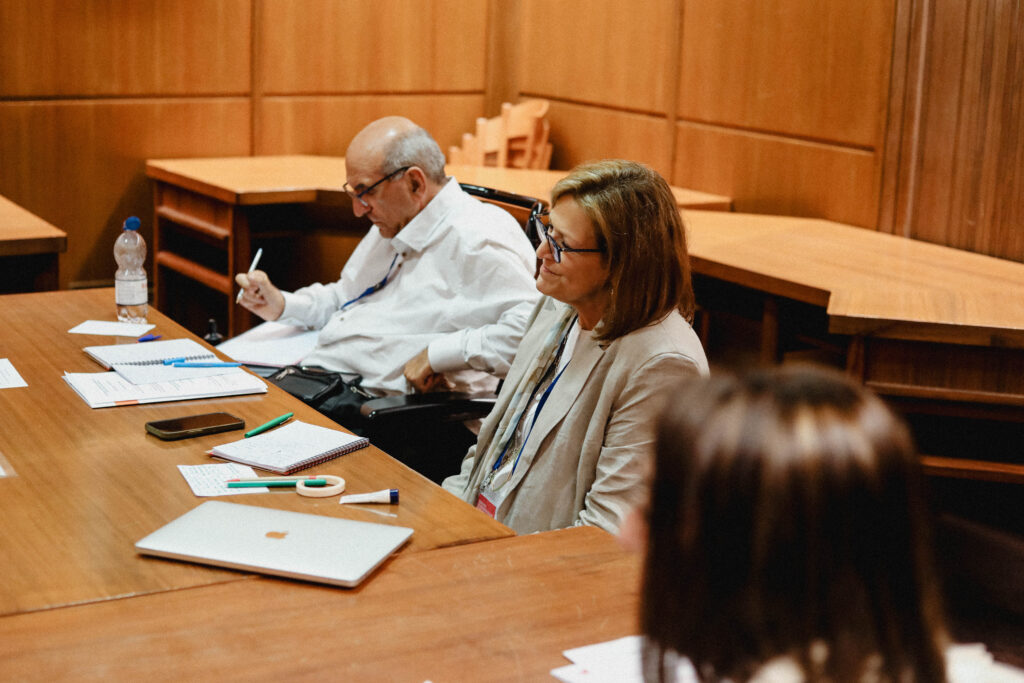
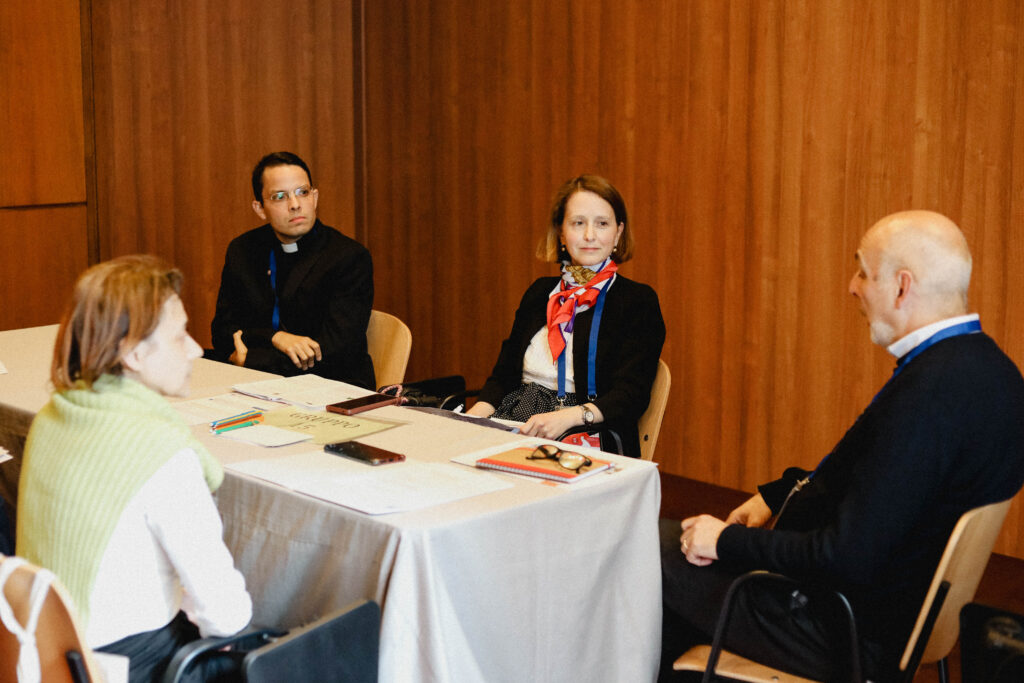
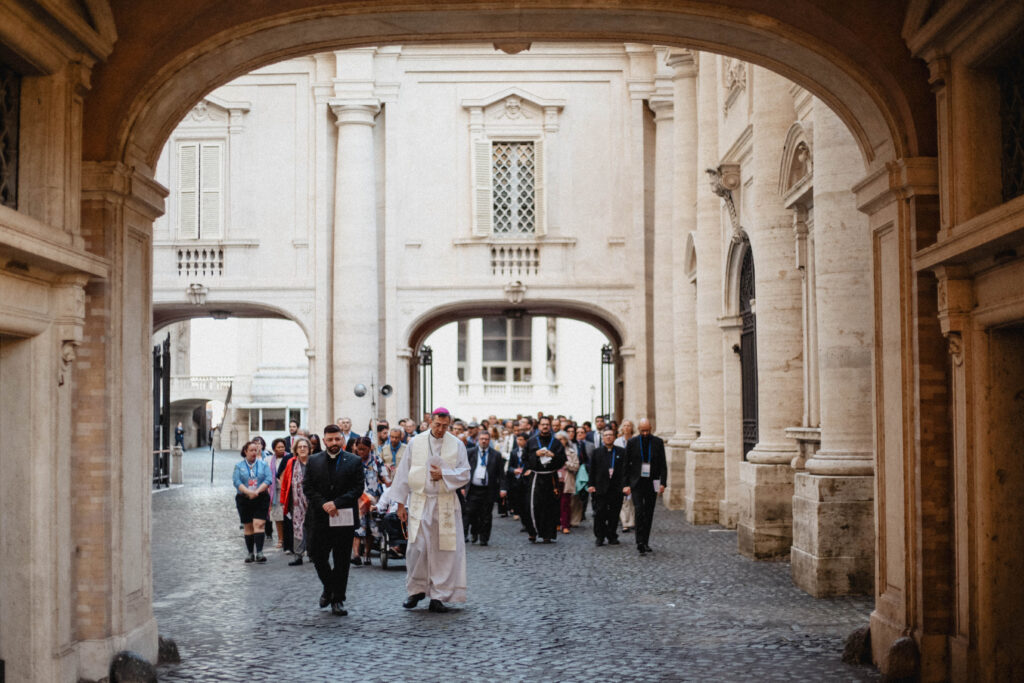
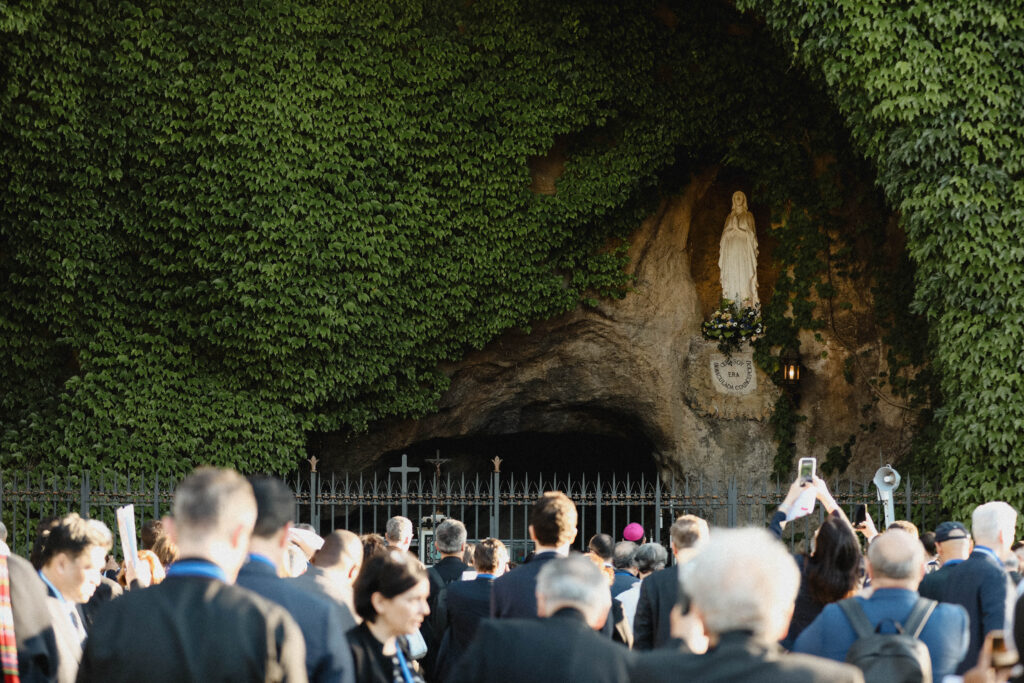
The programme also included a multi-speaker presentation by the Dicastery on certain “challenges” linked to governance responsibilities, aimed at raising awareness and providing appropriate tools to address them. This was followed by group work on aspects of governance requiring particular attention, together with proposals for improvement. The work was carried out using the methodology of synodal discernment. The day concluded with the communal recitation of the Rosary in the Vatican Gardens.
The second day focused on group work and plenary discussion, following the synodal method of Conversation in the Spirit. Two testimonies — on the “relationship between moderators and bishops” (Archbishop José Ángel Saiz Meneses) and on “conciliation as a style of governance” (Dr Giovanni Borgna) — offered elements for reflection in gathering the proposals that had emerged from the groups. Following a period of open interventions, the meeting was brought to a close by the Dicastery for Laity, Family and Life.
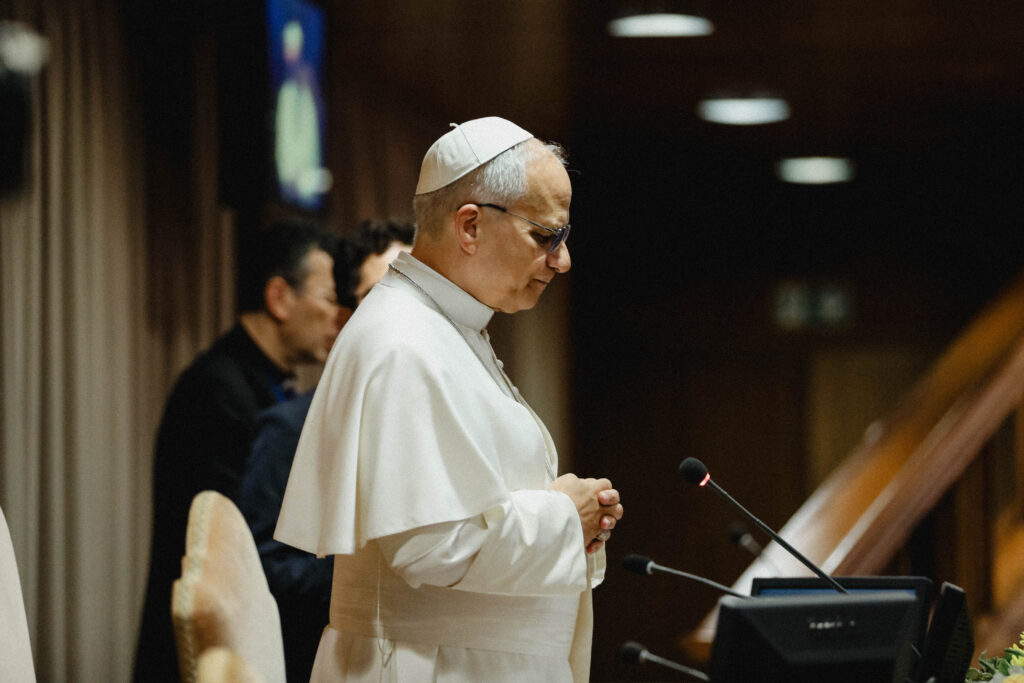
In his address, Pope Leo XIV recalled the importance of communion in the governance of an ecclesial community:
“Those who govern are required to have a particular sensitivity towards the safeguarding, growth and consolidation of communion. This applies both to life within the association or movement, and to communion with other ecclesial realities and with the Church as a whole. Those who exercise a mission of leadership in the Church must learn to listen to and welcome different opinions, different cultural and spiritual orientations, and different personal temperaments, always seeking to preserve, especially in necessary and often difficult decisions, the greater good of communion.”
WUCWO Communication Office