When we have the opportunity to travel at WUCWO it is always an opportunity to listen, strengthen relationships, build new partnerships, and better understand the realities faced by women in different parts of the world.
During my recent visit to Tanzania, I lived this. Over the course of several days in Dar es Salaam, I had the opportunity to meet with WAWATA, representatives of the local and regional Church, women religious from more than 30 countries, and representatives from the Holy See, Catholic organisations and international institutions. The experience highlighted the importance of encounter, formation and collaboration in advancing the mission entrusted to us as Catholic women.
Meeting WAWATA and the Local Church
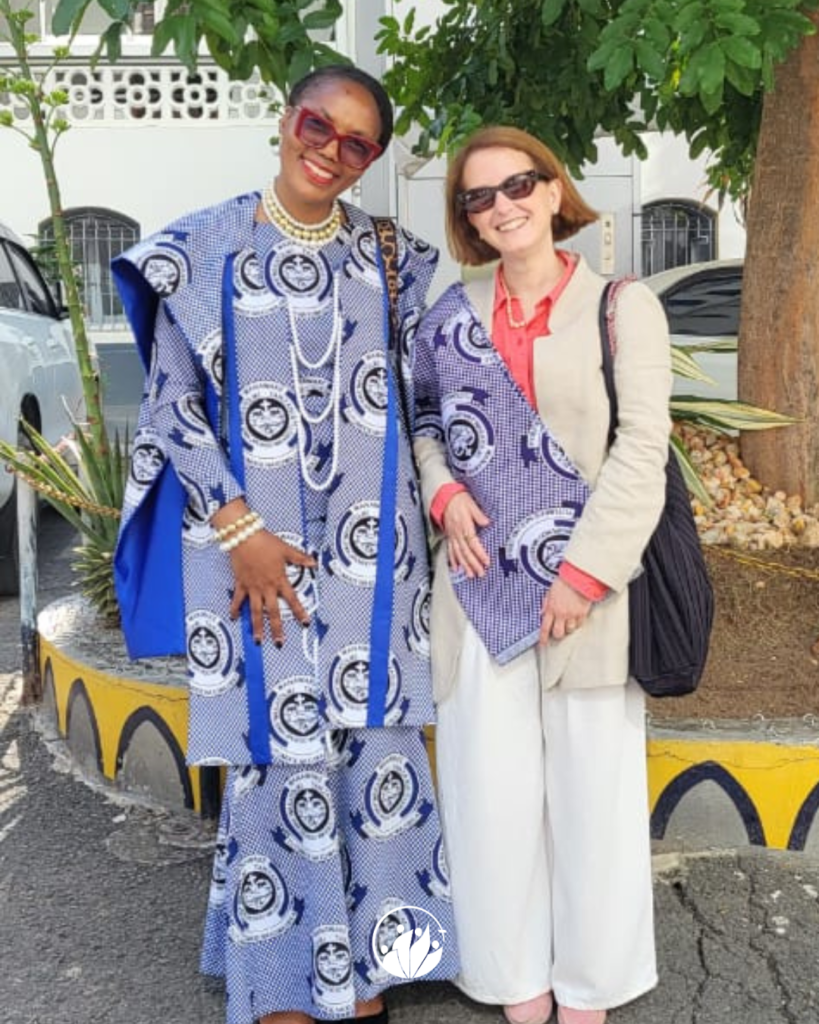
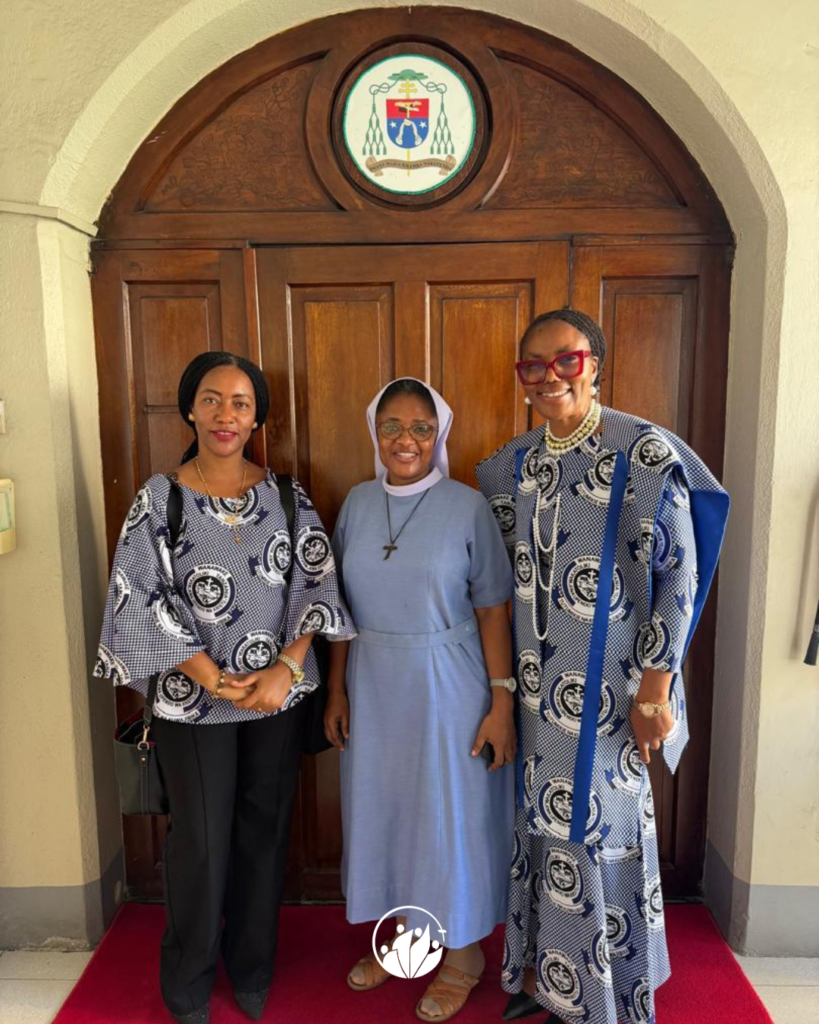
I travelled to Dar to represent WUCWO at the Catholic Sisters Initiative Convening Africa of the Conrad N. Hilton Foundation but before the convening officially began, I was able to spend some valuable time with the newly elected leadership of WAWATA, the Tanzania Catholic Women’s Association and one of WUCWO’s biggest and most integrated member organisations.
I was welcomed very warmly, and I had the opportunity to learn in more detail on WAWATA’s current priorities, ongoing activities and future plans, as well as to strengthen the bonds that unite our organisations.
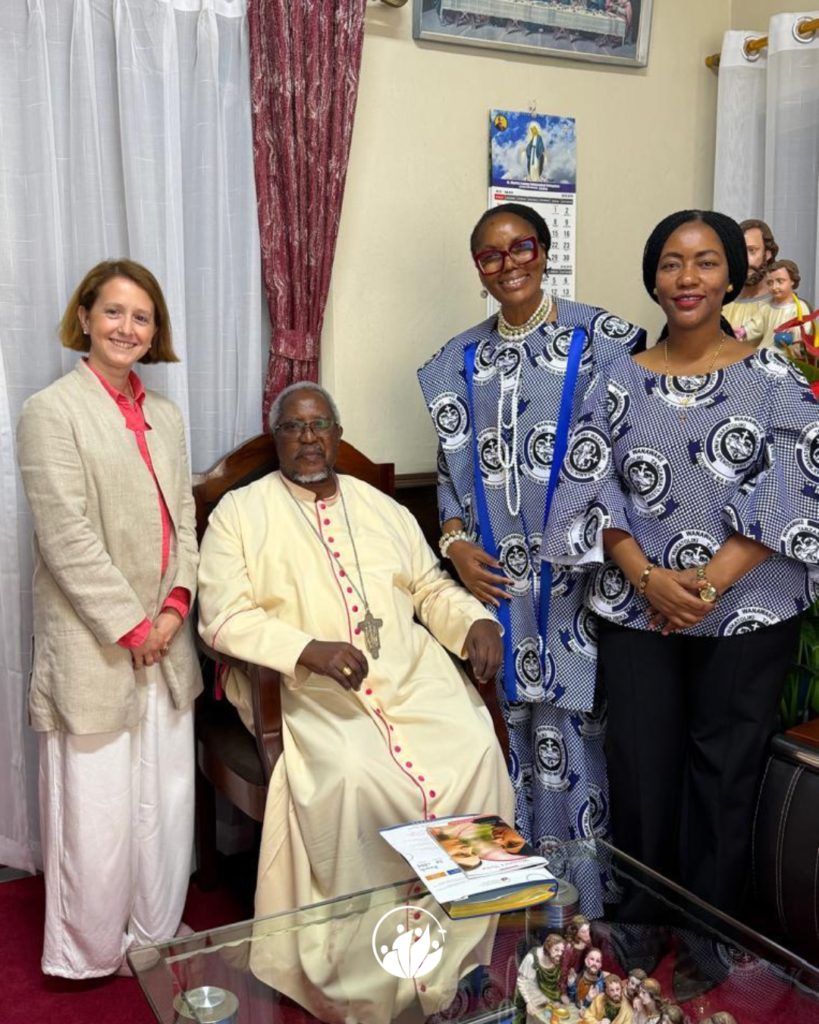
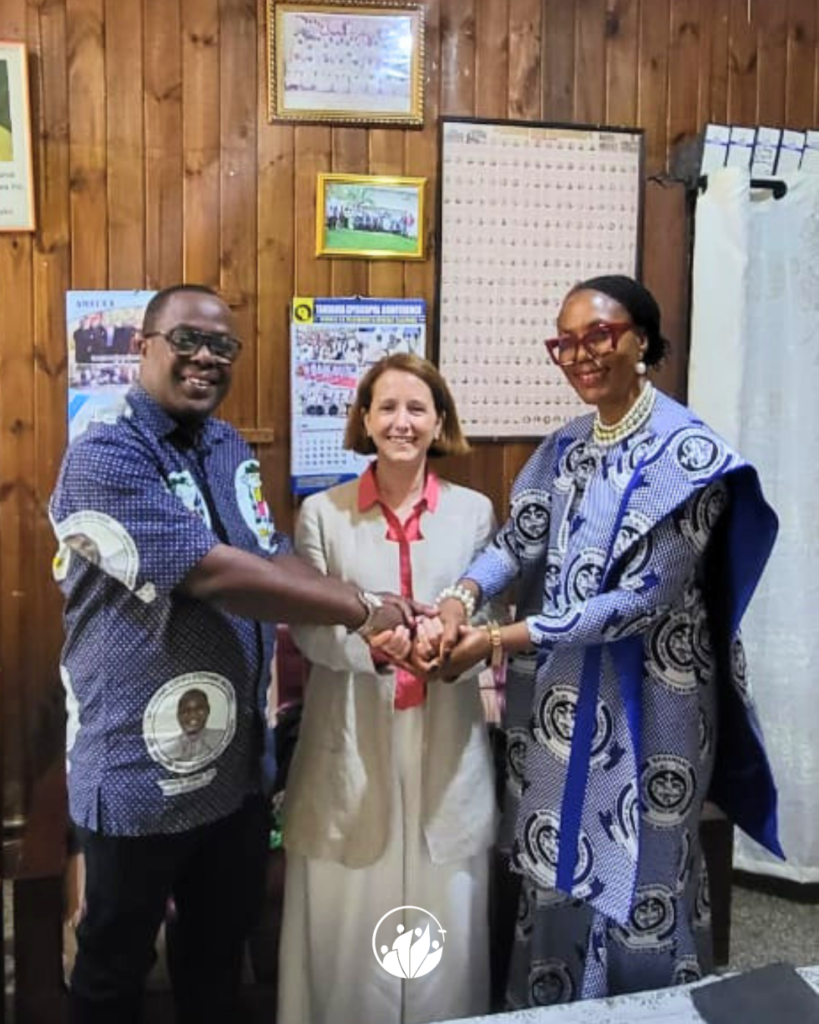
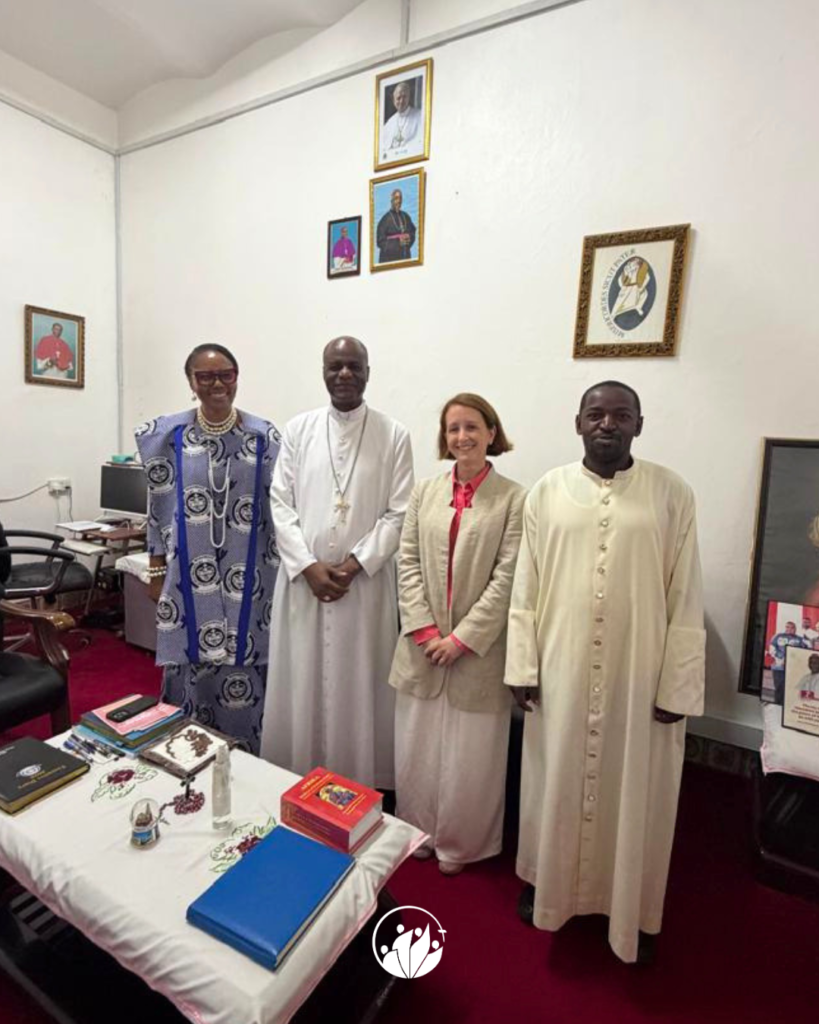
Accompanied by WAWATA representatives, several meetings were held with Church leaders, including Archbishop Jude Thaddaeus Ruwa’ichi of Dar es Salaam, representatives of the Tanzania Episcopal Conference, and Fr. Anthony Makunde, Secretary General of the Association of Member Episcopal Conferences in Eastern Africa (AMECEA). These encounters allowed for fruitful conversations on the contribution of women to the life and mission of the Church in Tanzania, ongoing synodal processes, family life, evangelisation, formation and social development.
They also demonstrated the esteem enjoyed by WAWATA within the local Church and its important role in representing and supporting Catholic women throughout Tanzania.
The Catholic Sisters Initiative Convening Africa
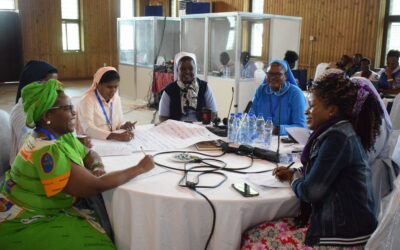
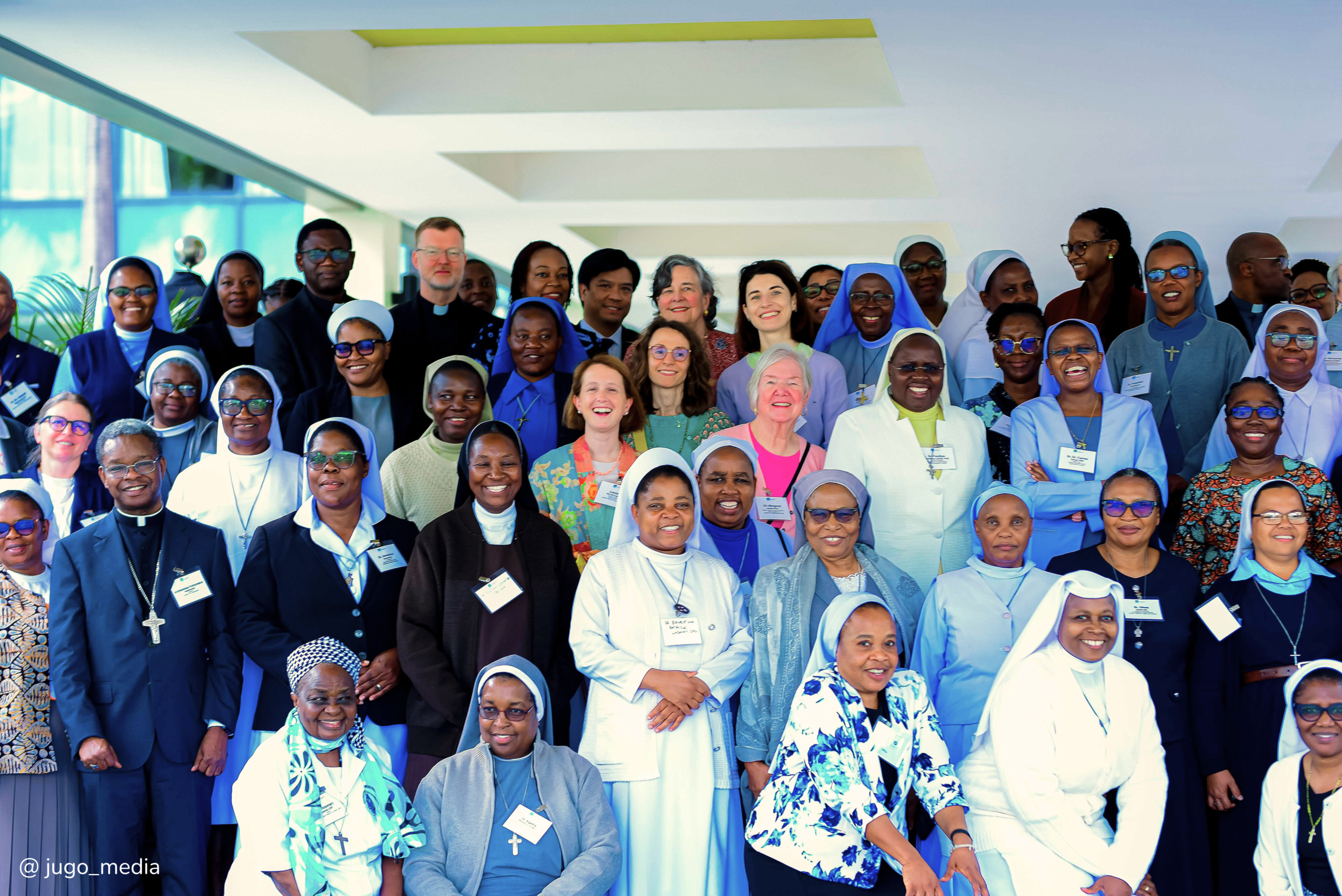
This key gathering entitled “Journeying Together in Solidarity and Hope” organised by the Conrad N. Hilton Foundation brought together more than 130 participants representing over 30 countries. Women religious and lay leaders, bishops, priests, academics, development professionals and representatives of the Holy See came together to reflect on shared challenges, exchange experiences and identify opportunities for collaboration. We also prayed and sang together.
The atmosphere throughout the convening was one of openness and mutual learning. Participants represented a wide range of ministries and apostolates, including education, healthcare, pastoral ministry, youth formation, anti-human trafficking initiatives, safeguarding, community development and social services.
The programme combined keynote presentations, panel discussions, practical workshops and networking opportunities, allowing participants not only to learn from experts but also from one another.
One of the recurring themes throughout the gathering was the importance of ongoing formation. Several speakers emphasised that formation cannot be limited to initial preparation but must accompany individuals throughout their lives and ministries. Human, spiritual, intellectual and pastoral formation were presented as interconnected dimensions that require continual attention. Discussions explored how formation can respond to contemporary realities, including cultural diversity, changing social contexts, technological developments and emerging pastoral challenges. There was also significant reflection on how formation can help leaders respond more effectively to the real needs of the communities they serve.
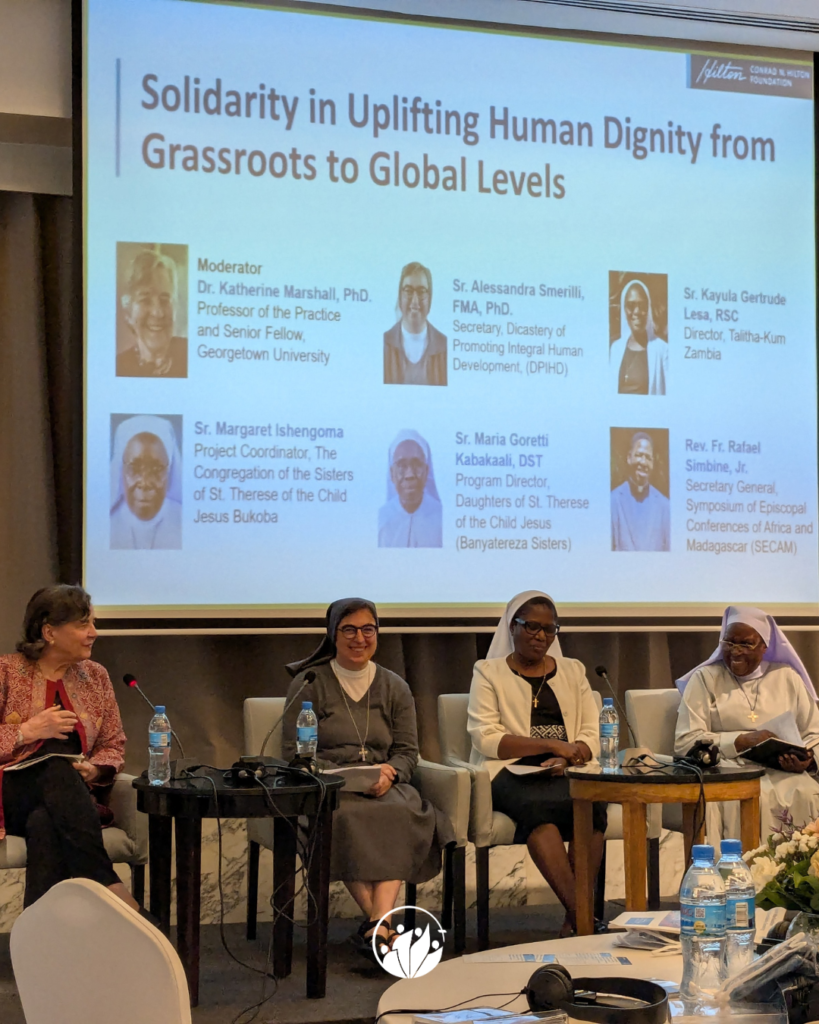
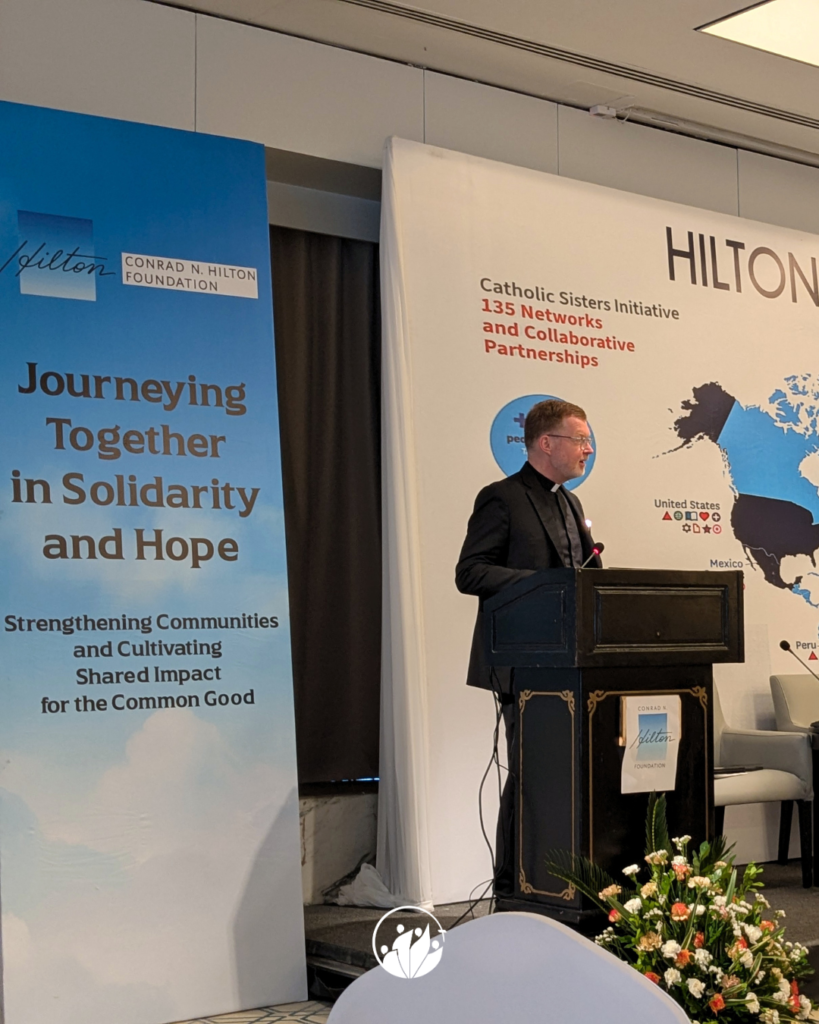
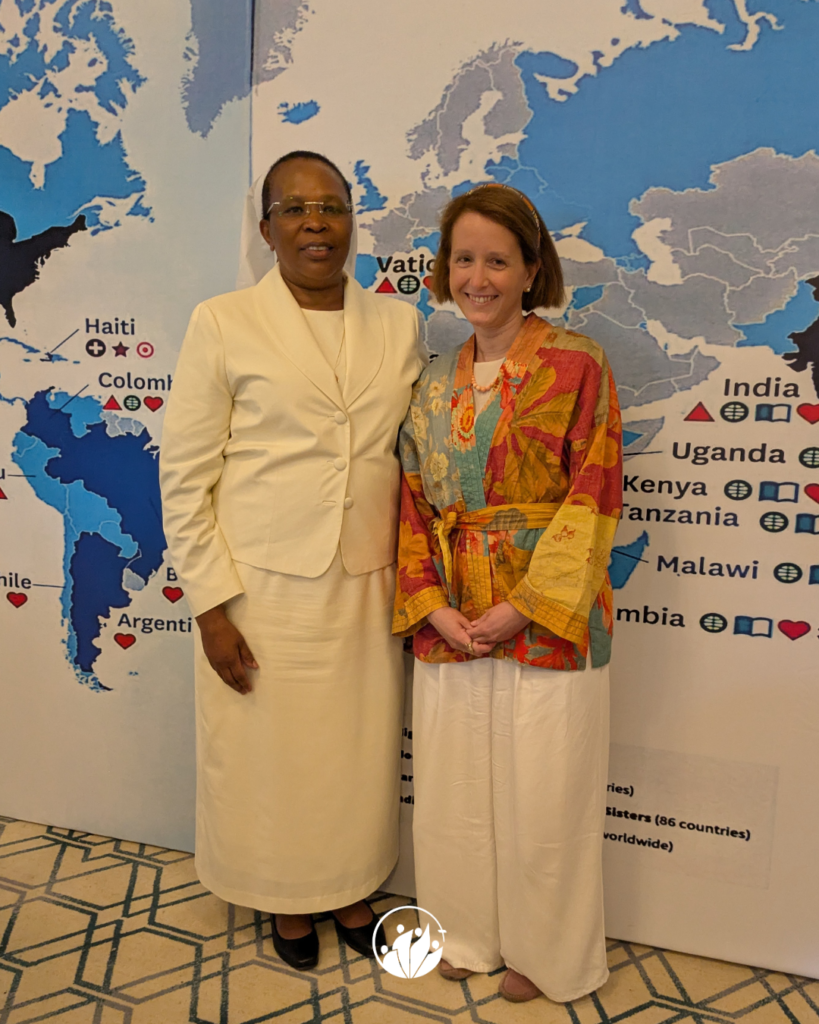
Participants shared experiences from different countries, highlighting both successes and challenges, and underlining the value of creating spaces where learning and knowledge-sharing can take place across borders.
Another major focus of the convening was safeguarding. Contributions from experts and Church leaders addressed the importance of creating safe environments, transparent processes, accountable structures and healthy relationships within ecclesial communities.
Particular attention was given to the need to move beyond seeing safeguarding solely as compliance with procedures. Instead, we were encouraged to view safeguarding as part of a broader culture of respect, dignity, care and responsibility.
Discussions explored topics such as abuse of power, protection of vulnerable persons, accompaniment of survivors, formation of leaders, and the importance of fostering environments where people feel safe to speak and to be heard. Many participants stressed that safeguarding requires ongoing formation, continuous evaluation and a willingness to engage honestly with difficult realities.
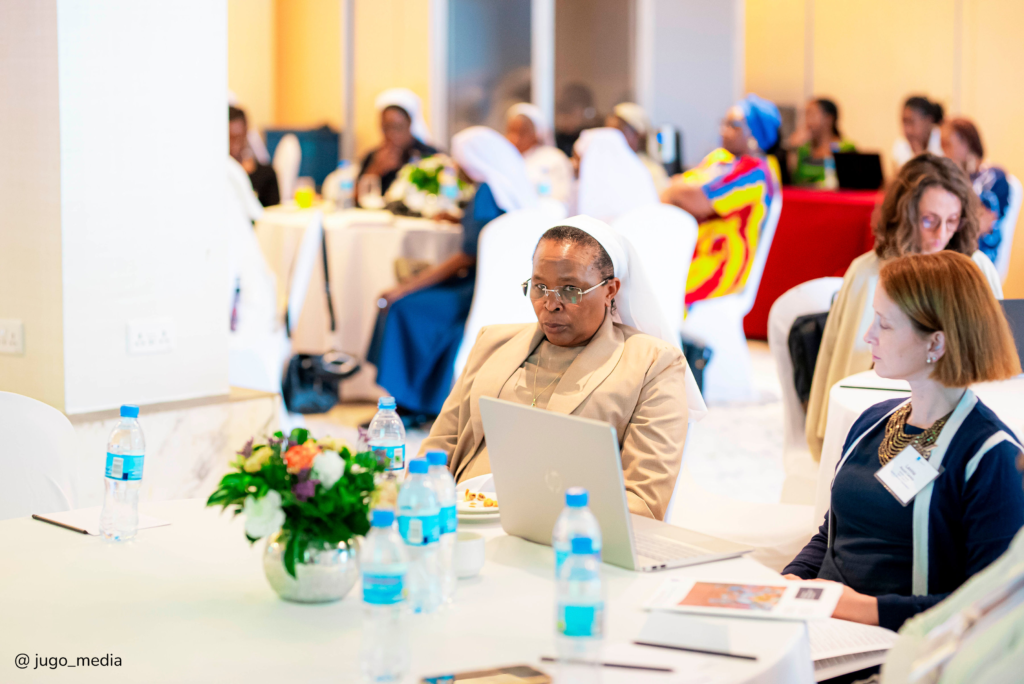
A particularly valuable aspect of the convening was the opportunity to strengthen existing relationships and establish new contacts. The gathering brought together representatives from organisations and institutions working at local, regional and international levels. Among them were representatives of several Dicasteries of the Holy See, Catholic universities, episcopal conferences, international Catholic organisations and other partners. For WUCWO, these opportunities are especially important as building relationships helps create synergies, facilitates collaboration and allows experiences and best practices to be shared across different contexts.
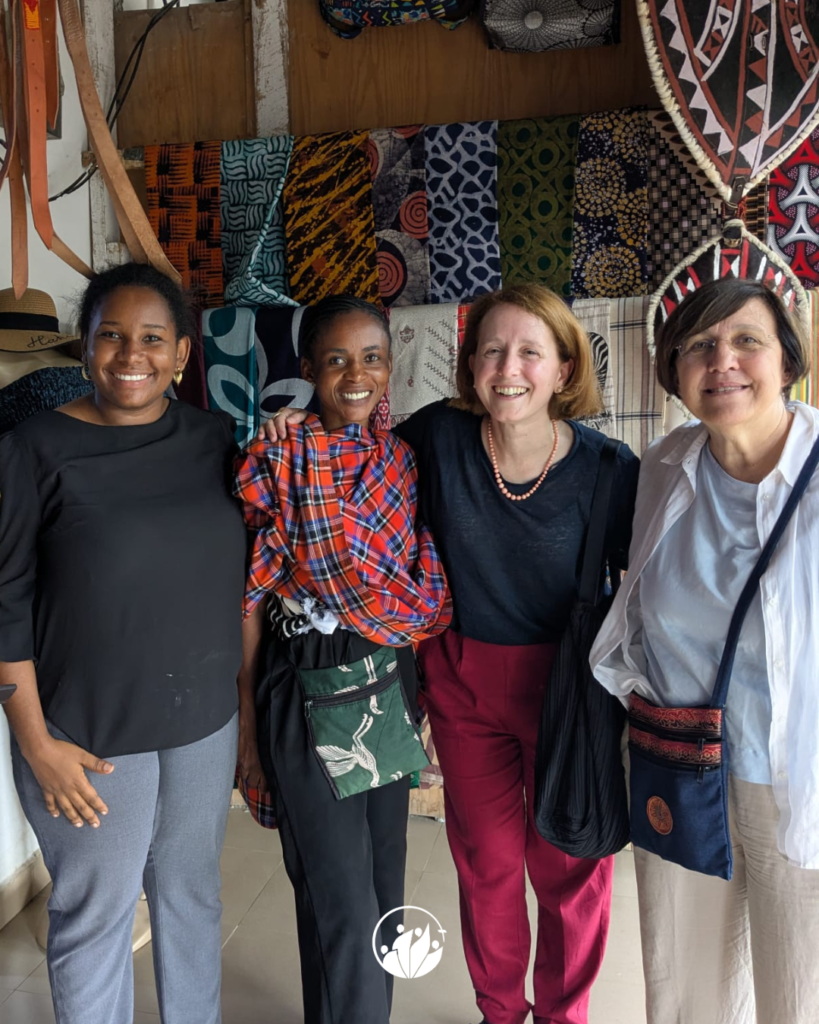
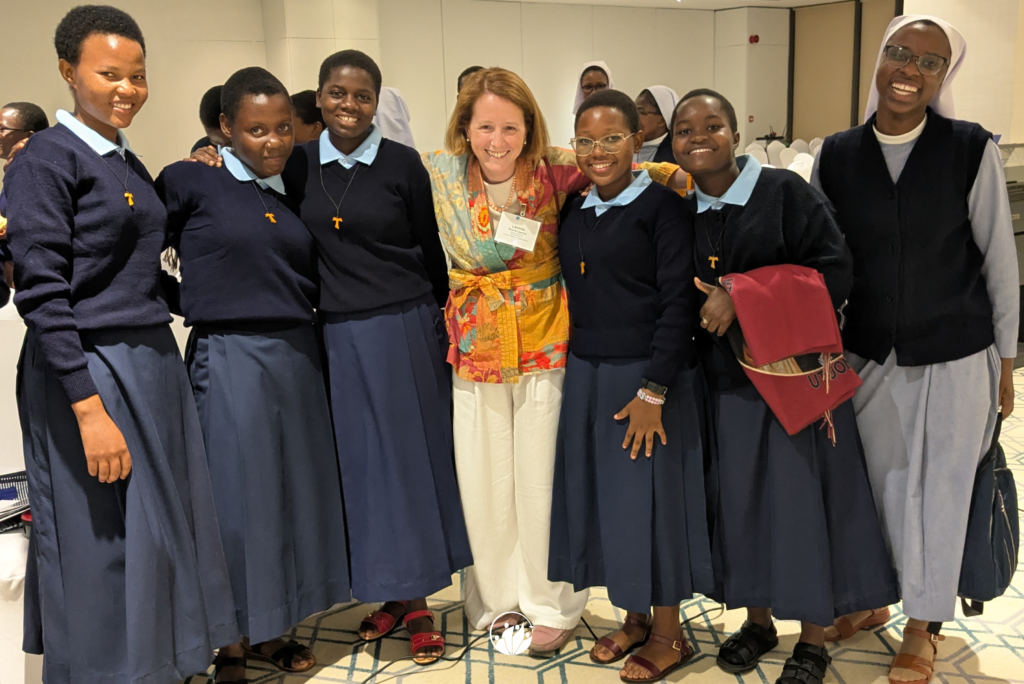
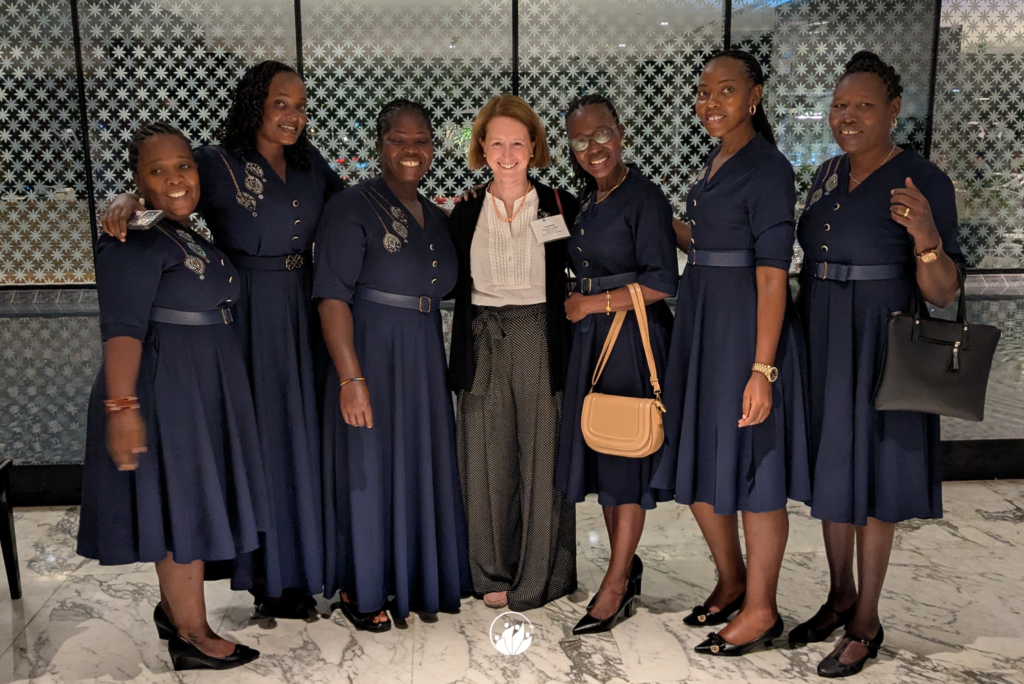
I had the opportunity to meet with several WUCWO Community Managers and Focal Points from Africa, strengthening ties and reinforcing the sense of belonging to the network of Catholic laywomen and religious sisters we are fostering in the continent.
The convening confirmed the importance of creating spaces and encounters where women can learn from one another, share their experiences and work together to address common challenges. One of the expressions heard repeatedly during the convening was the invitation to “dream big”. This is a call to think beyond immediate limitations and to consider how existing initiatives might grow in impact and reach.
Many discussions focused on sustainability, leadership development, strategic planning, partnership-building and the need to ensure that ministries continue responding effectively to evolving realities. There was also a strong emphasis on listening: listening to communities, listening to women, listening to young people, and listening to those whose voices are often absent from decision-making processes. Such listening is the essence of WUCWO’s World Women’s Observatory, which projects and initiatives are based first of all in listening to the needs and challenges of the most vulnerable.
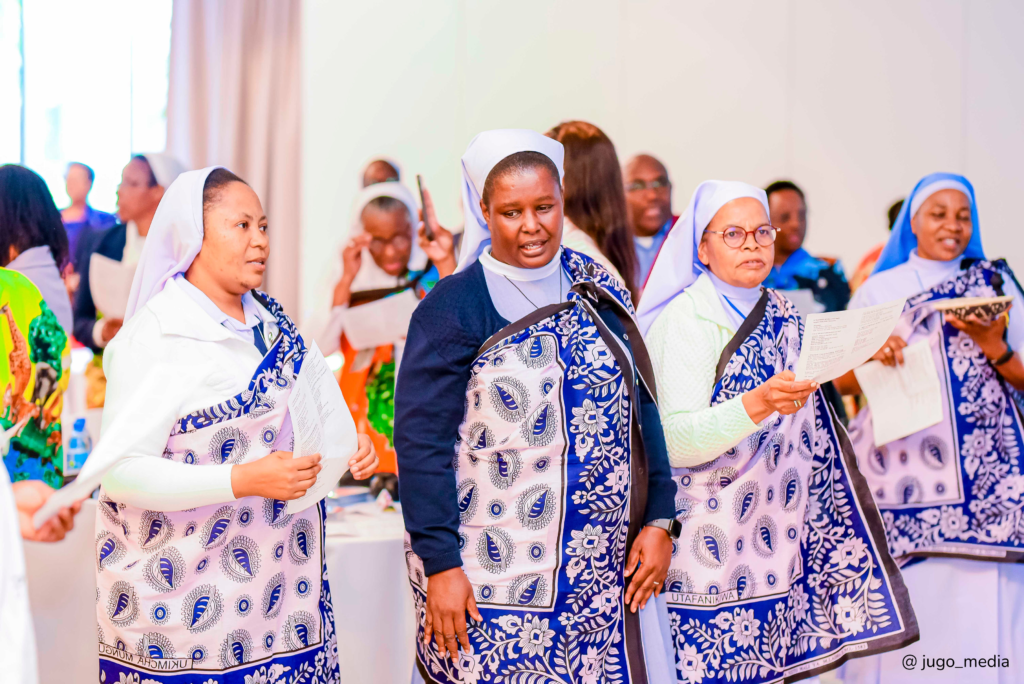
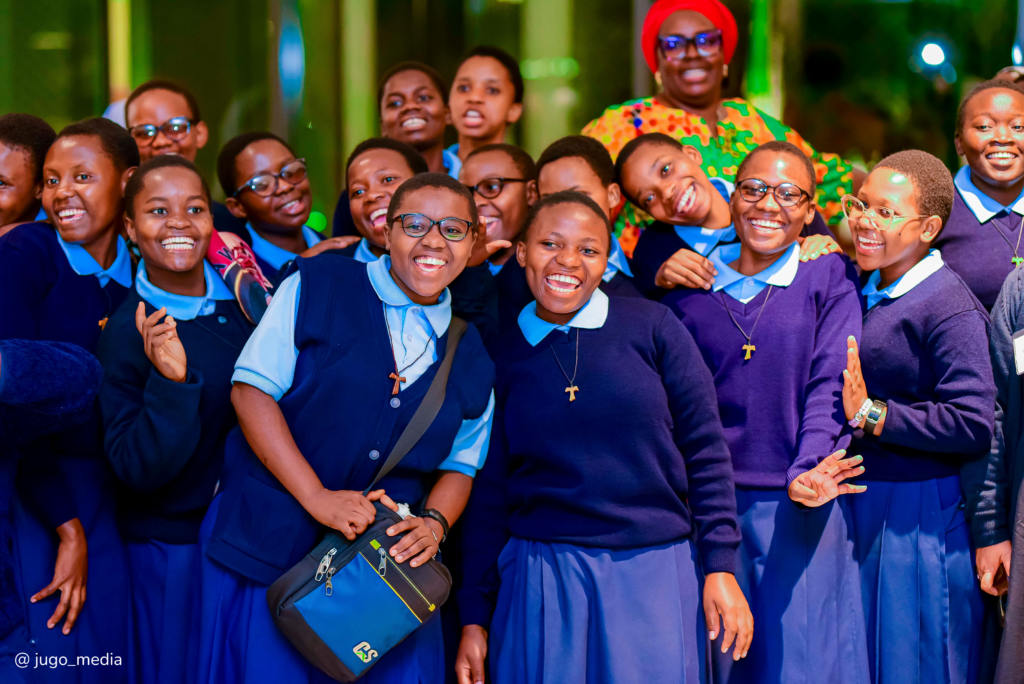
WUCWO is grateful to the Conrad N. Hilton Foundation for making this gathering possible and for its continued commitment to supporting our communities and projects across Africa. Special thanks are also due to Sr Jane Wakahiu, LSOSF and her team for the careful preparation and coordination of the convening, which created a valuable space for dialogue, learning and collaboration.
Finally, sincere gratitude goes to WAWATA, and especially to its leadership, for their generosity, accompaniment and commitment to serving women and families throughout Tanzania.
The visit provided not only opportunities for me to learn and network but also renewed awareness of the importance of working together across cultures, languages and networks. In a world facing complex social, economic and pastoral challenges, encounter remains essential. Through listening, formation, collaboration and shared commitment, all together we can continue to contribute to the mission of the Church and to the promotion of human dignity across the world.
Lavinia Rocchi Carrera, WUCWO Secretary General