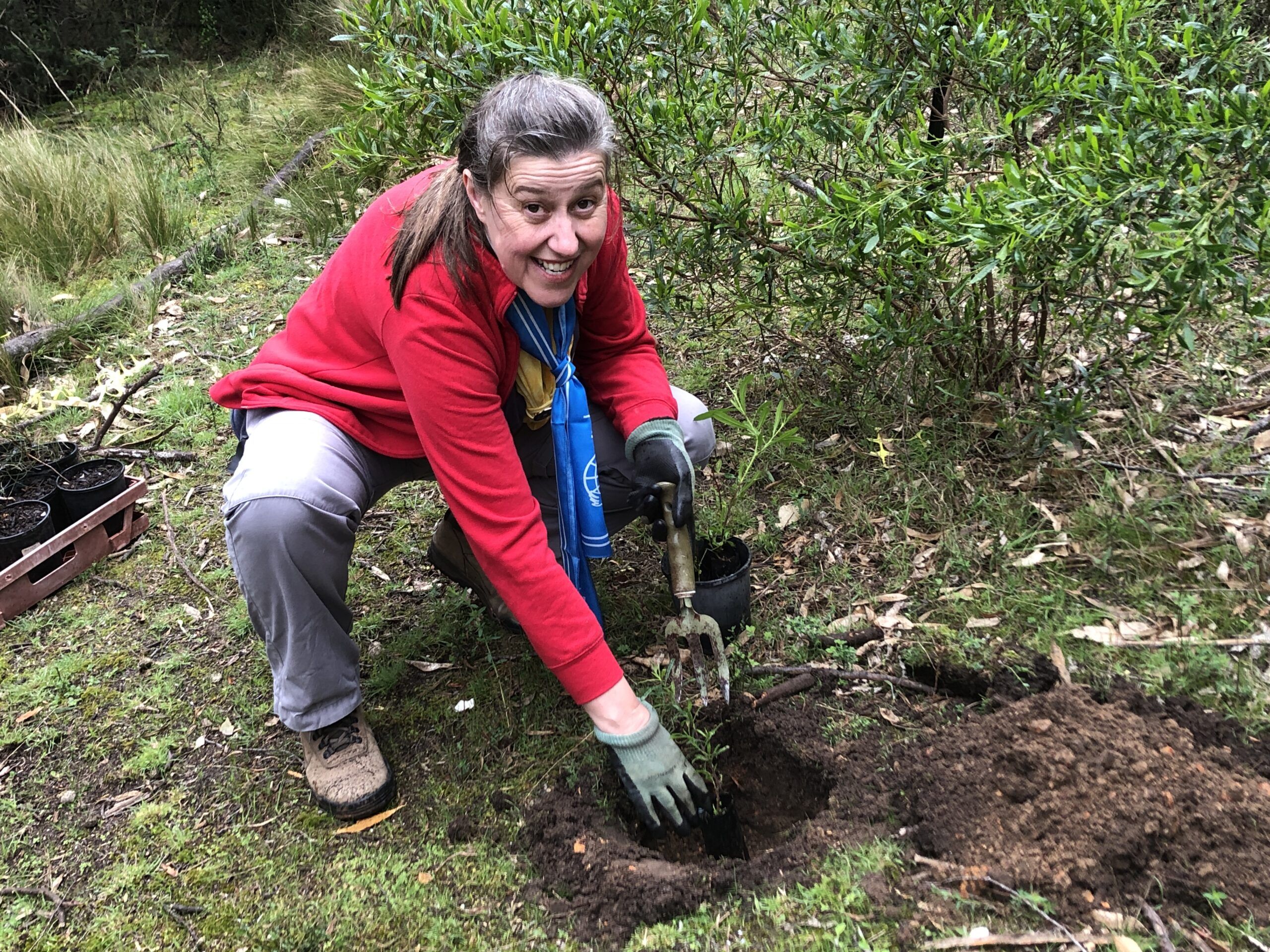
Interview with Karen De Sousa, coordinator of WUCWO’s Ecology Working Group
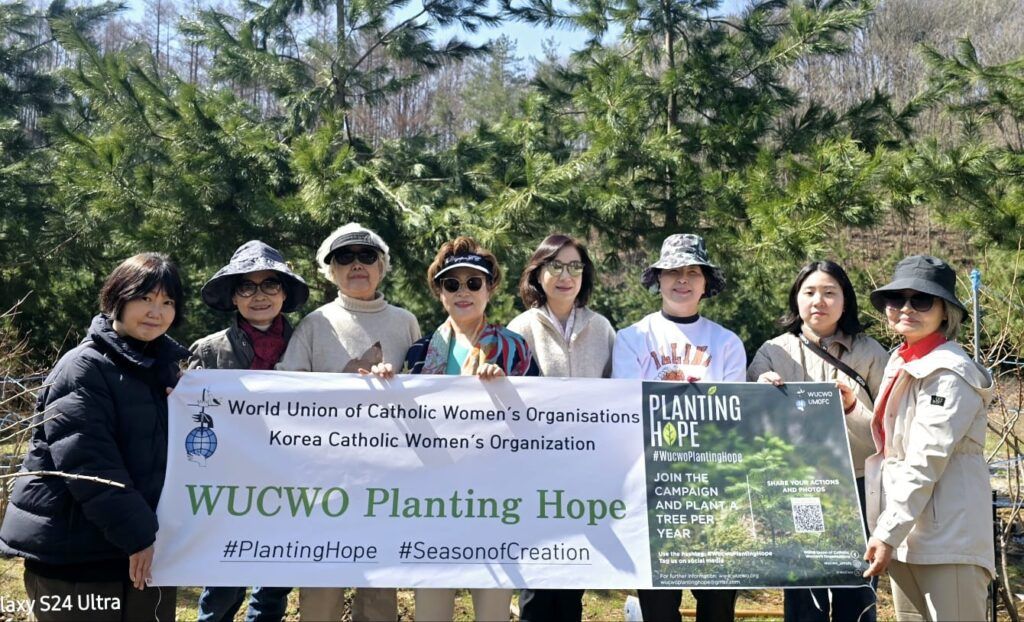
In September 2024, during the Season of Creation, we launched a new initiative: “WUCWO Planting Hope”. This campaign was born as part of the commitment made at the last General Assembly where members agreed on the urgent need to act in response to the climate and environmental crisis affecting our Common Home.
Rooted in Pope Francis’s encyclical Laudato si’, the campaign invites every person who joins to plant at least one tree per year until the next General Assembly in 2027. The goal is to actively contribute to the regeneration of the environment and to mitigate the effects of climate change.
The Ecology Working Group of WUCWO designed the campaign to mobilise millions of people across different countries, emphasizing that each tree planted makes a difference. Now, one year later, we speak with Karen De Sousa, WUCWO Board Member from Australia and coordinator of the Ecology Working Group, to learn more about the origins, meaning, and impact of WUCWO Planting Hope.
-Karen, could you explain what the Planting Hope campaign is about and how it started?
The campaign was born after our 2023 General Assembly, when we agreed to support Laudato si’. A group of board members sat together to think about concrete action. Some of us suggested ideas like watching Pope Francis’s film The Letter, but then Lucy from Malawi reminded us that in her country many women don’t even have smartphones or reliable electricity. She said, “What about trees?” and everyone instantly agreed. Planting trees is something that can be done everywhere, regardless of resources or government support.
-Why the name Planting Hope?
We didn’t want to promote fear or despair about the planet’s future. Hope was the key word, and this year is the Jubilee of Hope. Planting trees is planting hope for the generations to come.
-After one year of the campaign, what results have you seen so far?
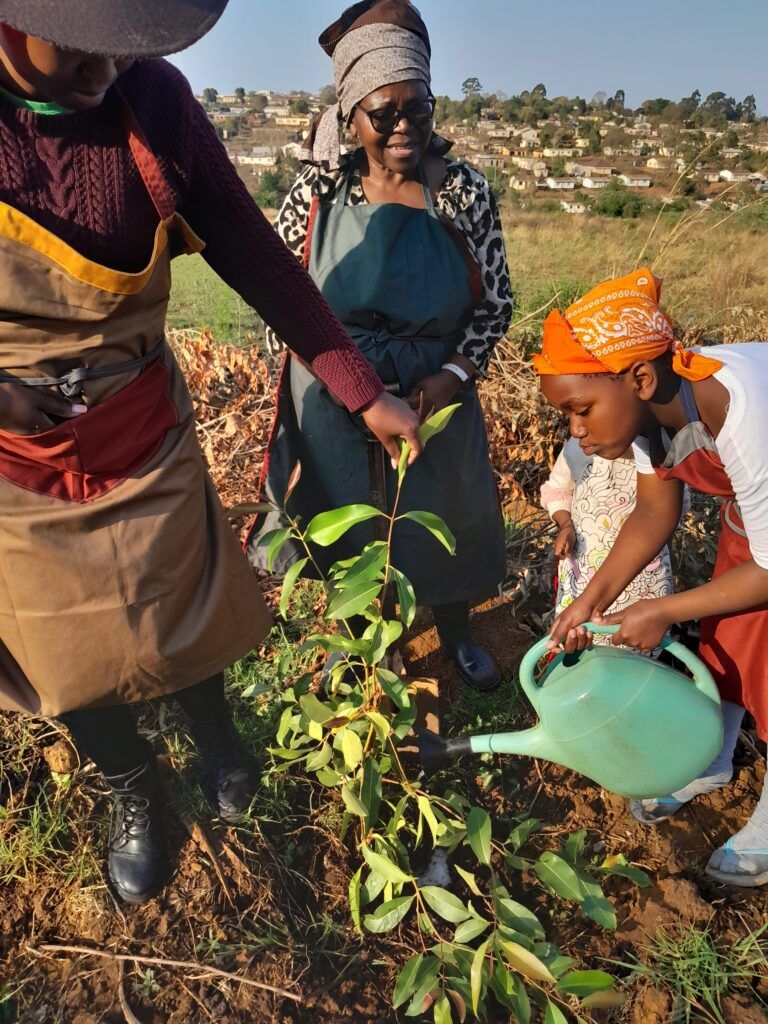
The reaction has been amazing. Women and communities have planted trees in areas affected by earthquakes, bushfires, floods… Officially, we have just under 13,000 trees registered, but we know there are many more because not everyone has filled in the online form yet. We’ve received wonderful pictures of women planting with their bishops, students planting at schools… it’s been truly inspiring.
In places like Malawi, they are life-giving. Many women still need firewood to cook, and as trees become scarce, they have to walk long distances, facing danger and exploitation. Meanwhile, their daughters miss school to take care of siblings. So, while for me a tree is shade or fruit, for others it is survival.
-Why trees? What are the concrete benefits of planting them?
There are so many. Trees capture carbon, reduce heat in cities, prevent soil erosion, and provide habitats for birds and animals. They are also useful: in my garden they provide fruit and reduce electricity costs by cooling the house. But in places like Malawi, they are life-giving. Many women still need firewood to cook, and as trees become scarce, they have to walk long distances, facing danger and exploitation. Meanwhile, their daughters miss school to take care of siblings. So, while for me a tree is shade or fruit, for others it is survival.
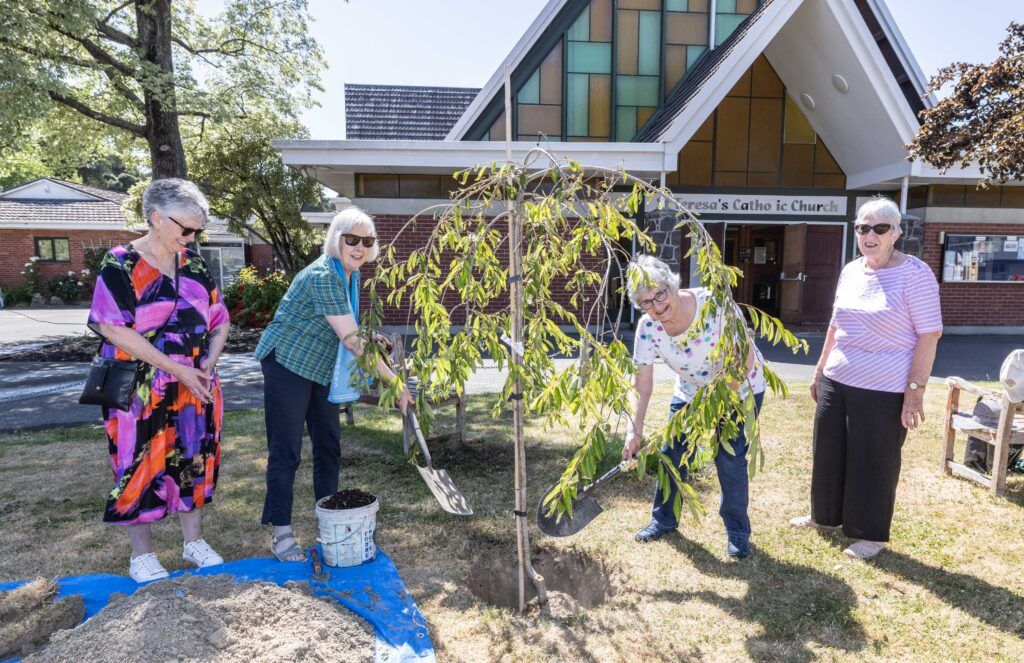
-Beyond the environmental aspect, what does this campaign mean for WUCWO and Catholic women?
It is a way of living our Catholic faith and showing that Laudato si’ is about conversion. It teaches us that even small actions in our homes make a huge difference globally. Planting trees is a simple, visible sign of hope and commitment.
-The campaign will run until 2027. What is your long-term vision?
Of course, as many trees as possible! But more importantly, we hope for lasting education and real change of hearts and minds. To live more simply, in harmony with nature, and to understand that our choices—even our inaction—affect others. I love the words of St. Oscar Romero: “Aspire not to have more, but to be more”. That is the spirit I hope this campaign will inspire.
-And finally, how can women’s organisations that haven’t yet joined get involved?
It’s very simple: visit the WUCWO website and read about the campaign. If you can’t plant a tree yourself, you can support local organisations financially. You can also use the campaign to engage schools and young people. For example, in Adelaide we planted 2,000 trees thanks to collaboration between the Archdiocese, Catholic Women’s League, schools, and the city council. Everyone can take part: plant in a garden, in a pot on your balcony, or give a tree as a gift. Young or old, every woman can join—at least one tree per year. And please don’t forget to register it on the website so we can celebrate together what has been achieved!
WUCWO Communication Office